4 Keys to Improving Employee Engagement
Author: ASBN Newsroom
Employee engagement, a key ingredient of business performance, is a concept that’s difficult to grasp, even more difficult to measure and impossible to achieve for some companies. The ambiguous nature of employee engagement may explain why as much as 68 percent of U. S. employees are not engaged at work, says the 2015 Gallup Employee Engagement Report.
What’s more, lacking conviction their companies are great places to work, almost 50 percent of employees set a low bar, meeting employer expectations but little else according to the Gallup report. More ruinous to a company’s operations are the 17 percent who are the actively disengaged who display negative behaviors and undercut coworker accomplishments. In either case, the result is decreased output, an increased number of on-the-job accidents and a rise in absenteeism and staff turnover.
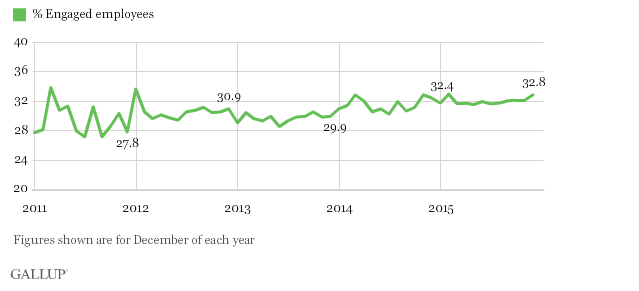
On the other hand, engaged employees drive business success. According to Gallup, the 32 percent of employees who are engaged in the workplace achieve more in less time than do their disengaged colleagues. Engagement also contributes to higher quality levels, increased customer satisfaction, a greater volume of repeat business and higher profits. Given these facts, it’s surprising that only 25 percent of surveyed organizations have an employee engagement plan or strategy. Should you want to increase employee engagement at your workplace, there are steps you can take.
- Employee engagement becomes more likely when leaders clearly and repeatedly convey a company’s mission, its strategy and the roles employees play in achieving company objectives. To begin with, your company’s senior executives must set appropriate strategic and cultural goals that guide employee efforts to achieve the company’s mission.
- Second, you must encourage open communication between leaders and staff members. When employees believe their opinions matter, they become more engaged. In fact, according to a Dale Carnegie survey of 1,500 employees, 61 percent become engaged when they believe their opinions affect decisions that impact their work.
- Third, leaders who make available opportunities for employee growth and skills development contribute to employee engagement. So, you should define career paths, create processes to provide employee feedback and offer training that contributes to employee success.
- Finally, when organizational leaders exhibit behaviors that align with the beliefs of a company’s employees, staff member engagement increases. For instance, when management provides a safe environment where leaders support employee health and well-being, the level of employee engagement rises.

Employee engagement is a key ingredient of business performance, but one that’s difficult to achieve. A Dale Carnegie Employee Engagement Report states that as much as 30 percent of U. S. employees are not engaged at work. It’s possible for leaders to increase employee engagement by taking steps that promote teamwork and cooperation, such as clearly and repeatedly conveying the company’s mission, its strategy and the roles employees play in achieving company objectives.
Leadership, Management, Small Business, Headlines, Articles