The resilience imperative: 3 ways your business can overcome any hurdle — Alan Weiss
Author: Jaelyn Campbell
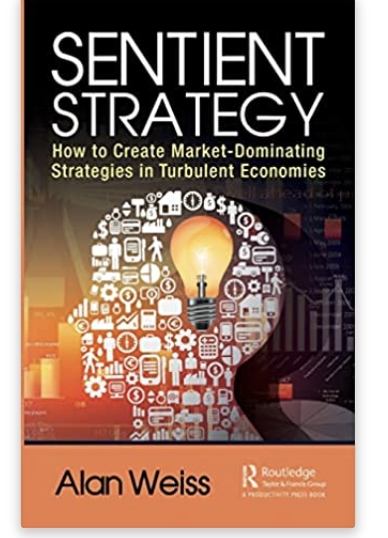
Even though conducting daily business can feel hopeless, it’s imperative to get through the challenges you can manage. Alan Weiss, a business coach, speaker, and New York Times best-selling author, returns with us on this episode of the Small Business Show to continue the conversation about effective business practices. As discussed in his book, Sentient Strategy: How to Create Market-Dominating Strategies in Turbulent Economies, we’ll dive extensively into the importance of resilience imperative.
The definition:
Weiss defines the resilience imperative as understanding the reason why certain things don’t turn out the way you expected them to. He addresses the three factors that force businesses to utilize the term:
- For starters, Weiss believes, “If you don’t remove the cause, it’s going to happen again.”
- Then, “You have to decide what the most aggressive path forward is going to be. Because you can’t shrink from this. It’s comparable to a cat jumping onto a hot oven, which prevents it from ever doing it again out of fear of all ovens. Coming out of that requires you to be bold.”
- Finally, “the third thing is you have to institutionalize the learning. Determine what occurred and how to avoid it from happening again.”
Weiss contends that this is a common occurrence in both business and athletics, where most people fail to notice when a corporation experiences a setback because, in the eyes of the general public and employees, the internal setback really wasn’t a setback at all. For example, a New York survey regarding an advertisement company asked the participants how they felt about their ads impacting the consumer. As a result, those surveyed rated the ads higher than the company. This means the company was providing too much service and were overcharging. Therefore, Weiss believes that “you have to be familiar with what the reality is.”
Take accountability
When faced with difficulties, business leaders too often shake their heads in defeat; yet, it’s essential to get back on the horse and keep progressing. Weiss asserts that most people want to find someone to blame, but the problem with that is even if you do find someone to put the blame on, the problem still exists. Therefore, “you have to find the cause.” He adds, “People admire those who recover. Take the Johnson and Johnson Tylenol crisis.” They took accountability for the mistake and corrected it.
“It’s okay to admit you made a mistake. Just correct it and move — Alan Weiss
However, in his book, Weiss notes “how customers know what they want but not what they need.” It’s the job of the business to not just satisfy the customers, but add value to their experience. “We have to keep showing them more and more value,” he adds. It is often seen that businesses frequently raise prices, but they’re not thinking about how they can raise value. Within his book, he highlights the concept of starting with the value and the customers will follow. “If you help people, you’ll make money,” Weiss firmly believes.
The Small Business Show, Leadership, Interviews